
Figbuild 2026
Sol is an app for tracking and logging various aspects of our mental state. It acts as an extension of our body’s sensory experience of metacognition — our awareness of aspects of our thinking such as cognitive states, stress levels, and emotional intensity.
Team
3 design coordinators
2 designers (Me)
The Problem
The Case for Quantification
Industrial technology freed people from needing physical labour to survive, leading many to compensate by exercising at gyms and monitoring their fitness. A similar shift is now happening with mental labour as AI takes over cognitive tasks. Given this shift, we proposed a tool to help people monitor their mental activity and stay intentional about their cognitive habits, much like a gym tracks physical ones.
The Inspiration
Defining a theme
Sol takes its name from the sun, the soul, and the cyclical passage of time represented by sols on Mars. The concept reflects the mind as a dynamic system of thoughts, emotions, and stress that shift in patterns over time.

Design Decision
Information management
Content
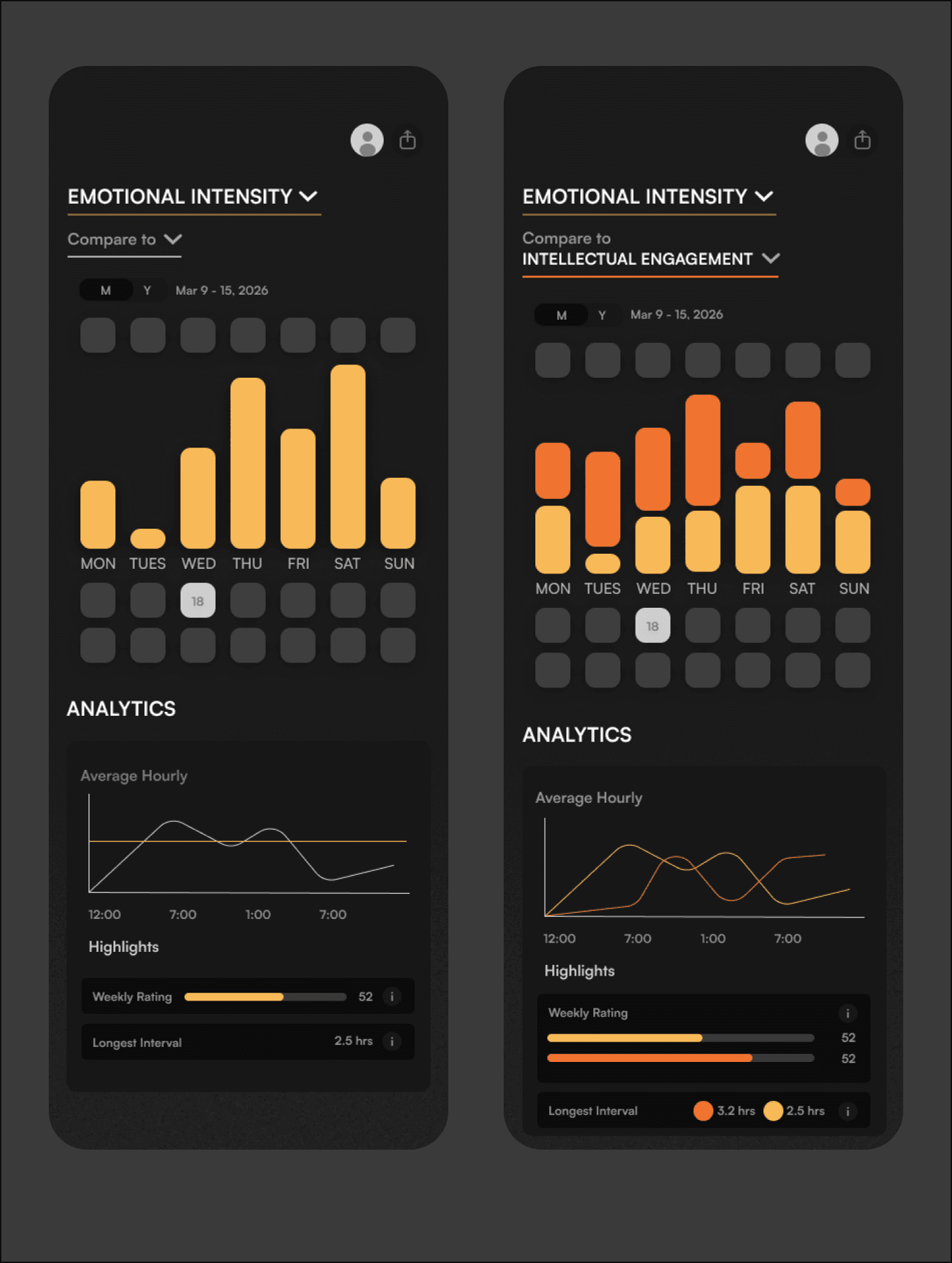
Serious analysis: Clear, consistent visualizations that reveal long-term behavioural patterns across time.
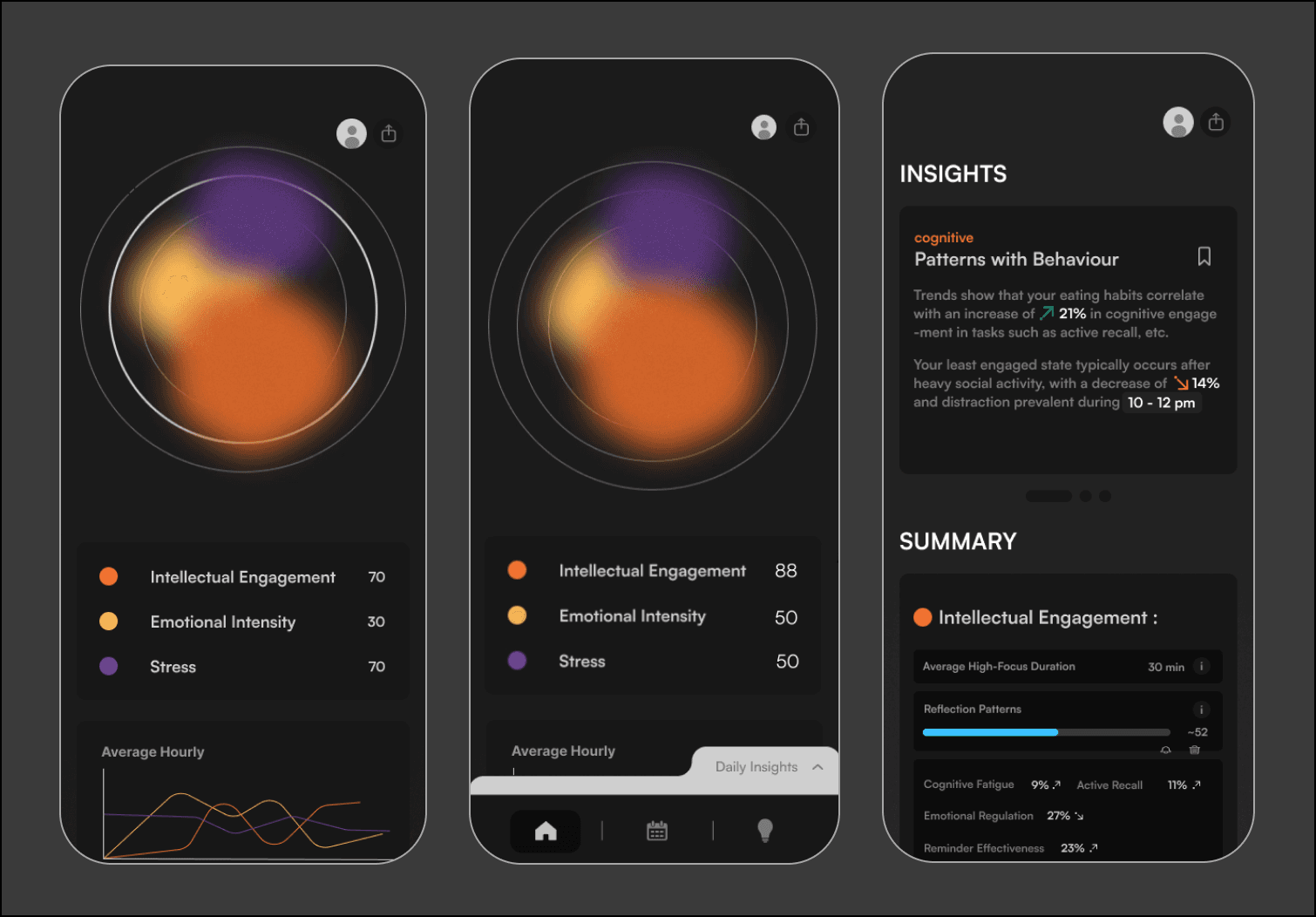
Simple + deep views: Quick summaries for daily reflection with optional detailed analytics.
Health alerts: Live tracking with notifications to flag positive progress or potential issues.
Quality of life
Less noise, useful data: Automated insights with minimal clutter and reduced technical jargon.
Manual logging: Users can record personal observations to support self-quantification.
Shareability: QR/NFC reports allow easy sharing of summarized insights with professionals or peers.
Research
Initial research and safeguards
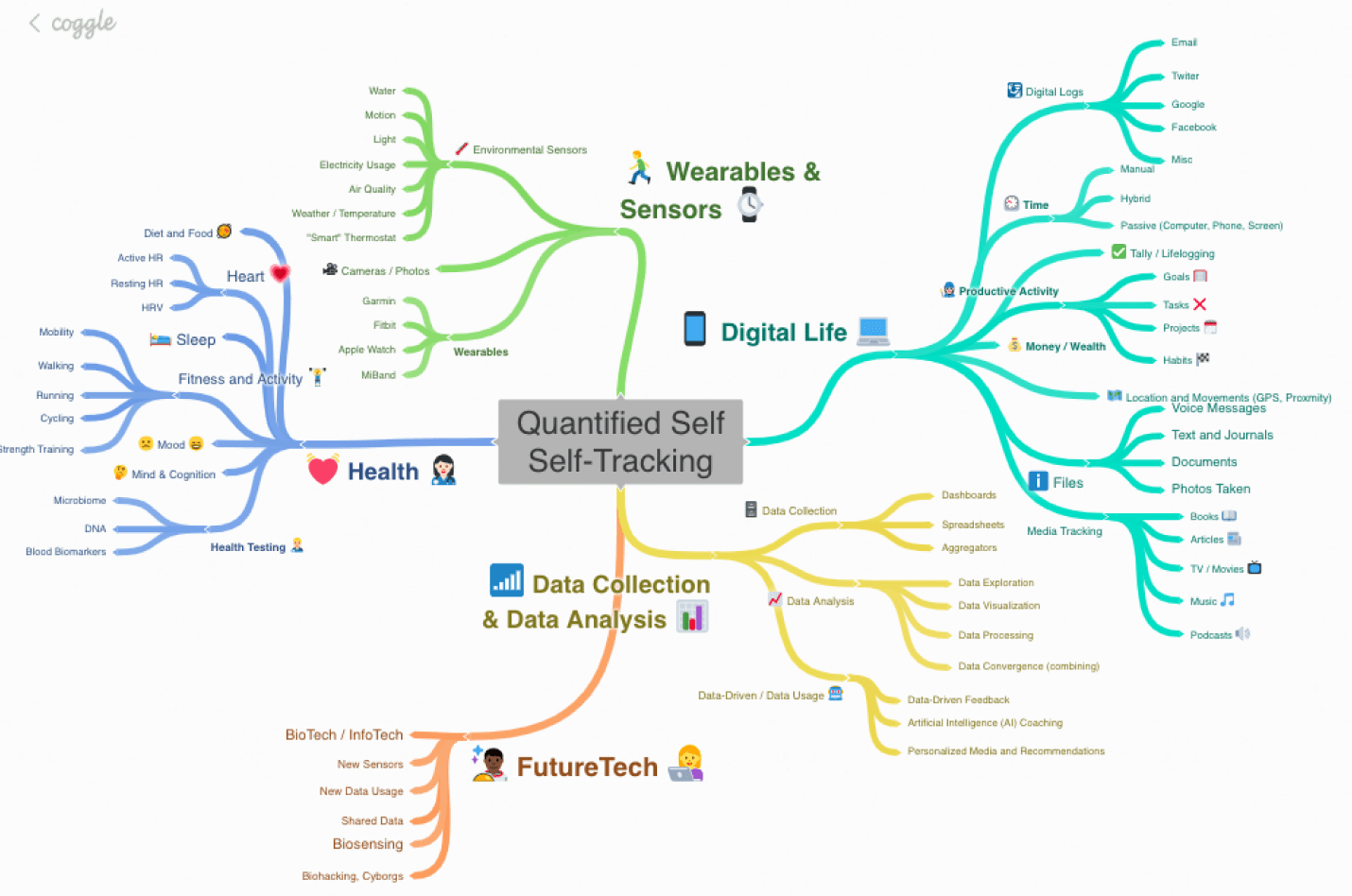
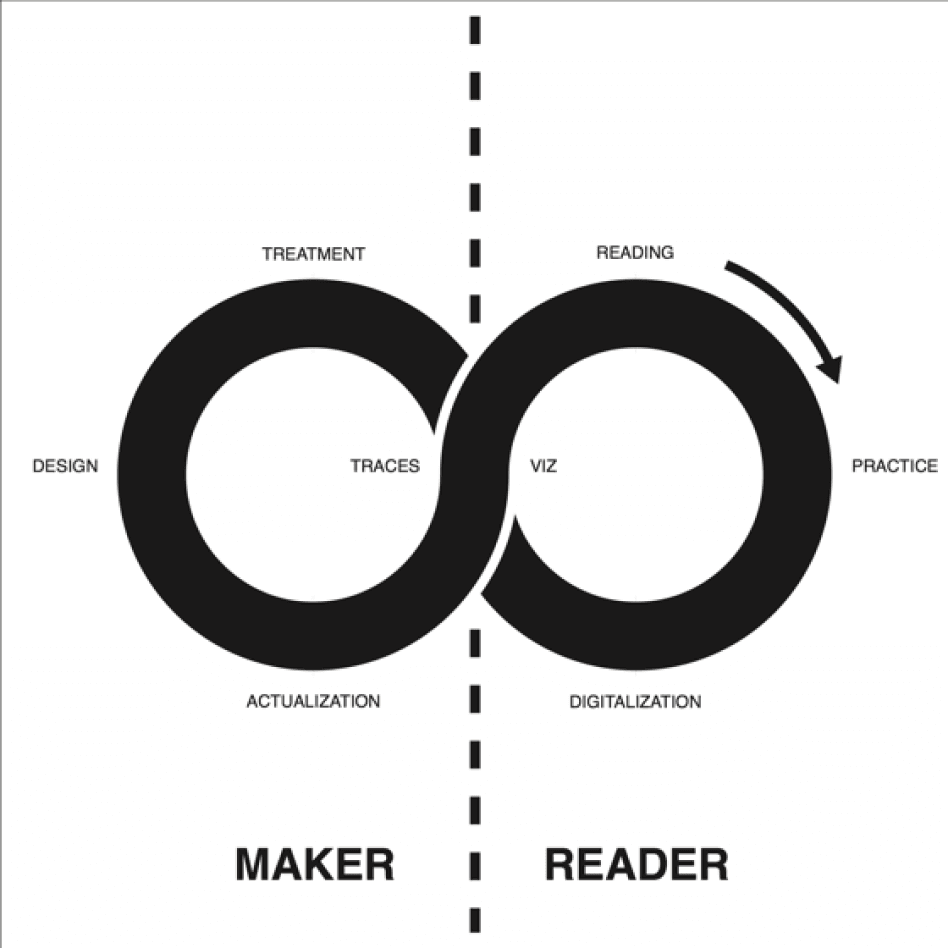
To make sure we didn’t miss any considerations, We made sure to consult multiple peer reviewed sources on the field of cognitive science. I also made sure to cover the potential safeguards of the product, such as privacy and consent concerns, fail-safes for over-monitoring, and more.
Case Study 1
Turning observations into verifiable insights
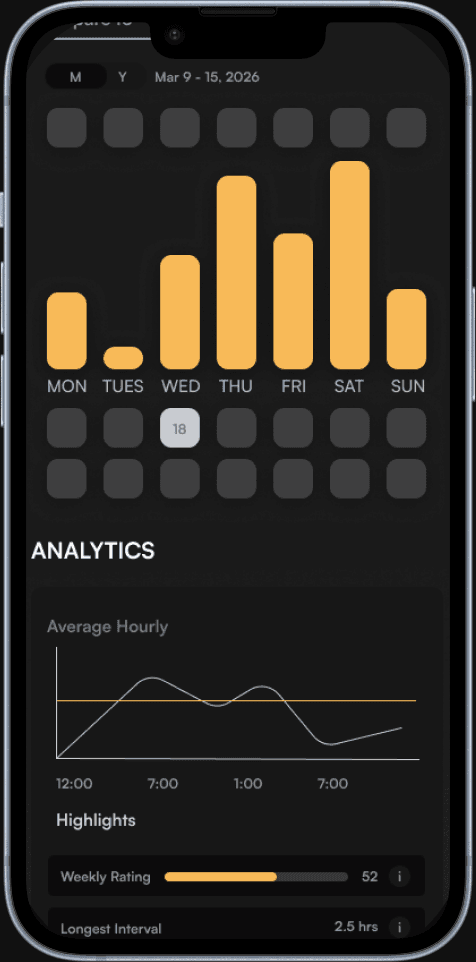
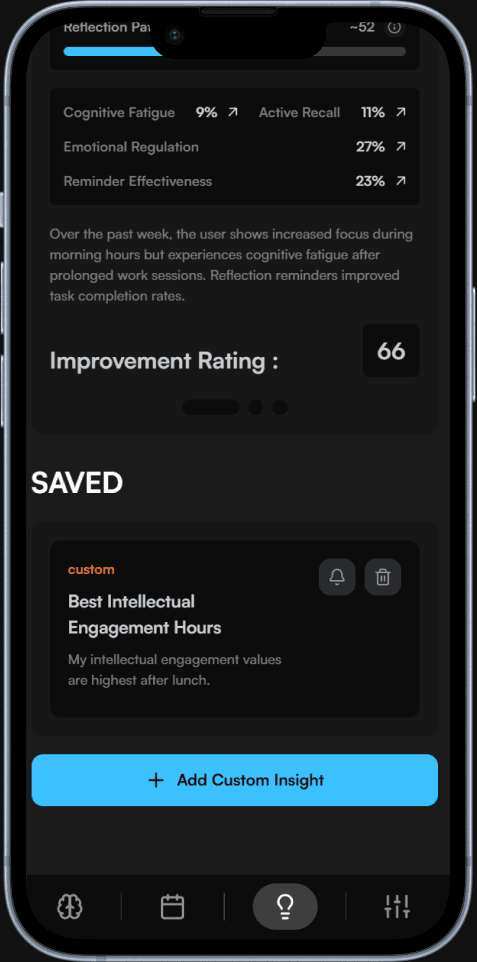
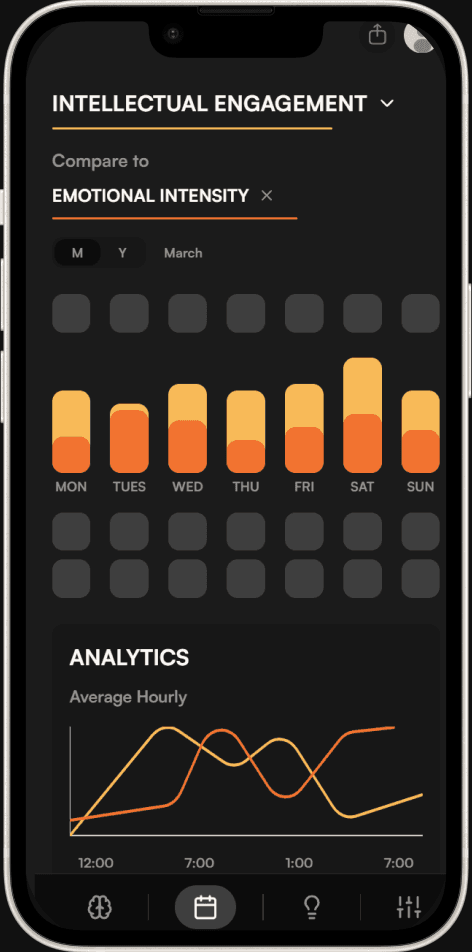
Taking users feedback about usability of the app, I took the time to add real time changes that are observable insights to reinforce the idea of the quantified self. In turn it helps give the user a sense that solidifies their habit-building.
Solution ideation
Changing the product definition
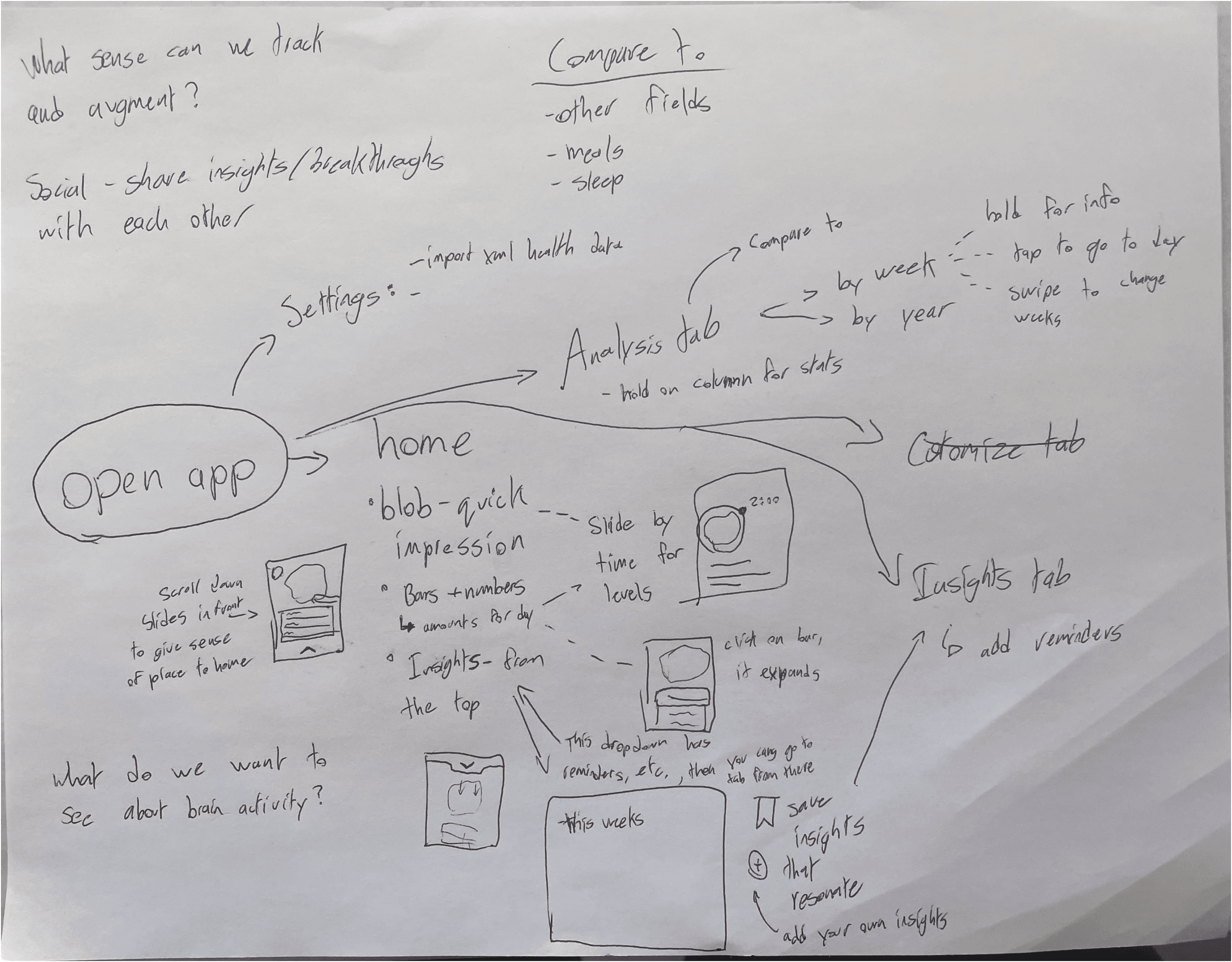
Nowadays, the idea of self-quantification is encompassed by many companies and made in many different ways. Informed by this, I opted to make many revisions and iterations to how the self quantification would be implemented before finalizing the idea.
Solution ideation
Prototypes and testing
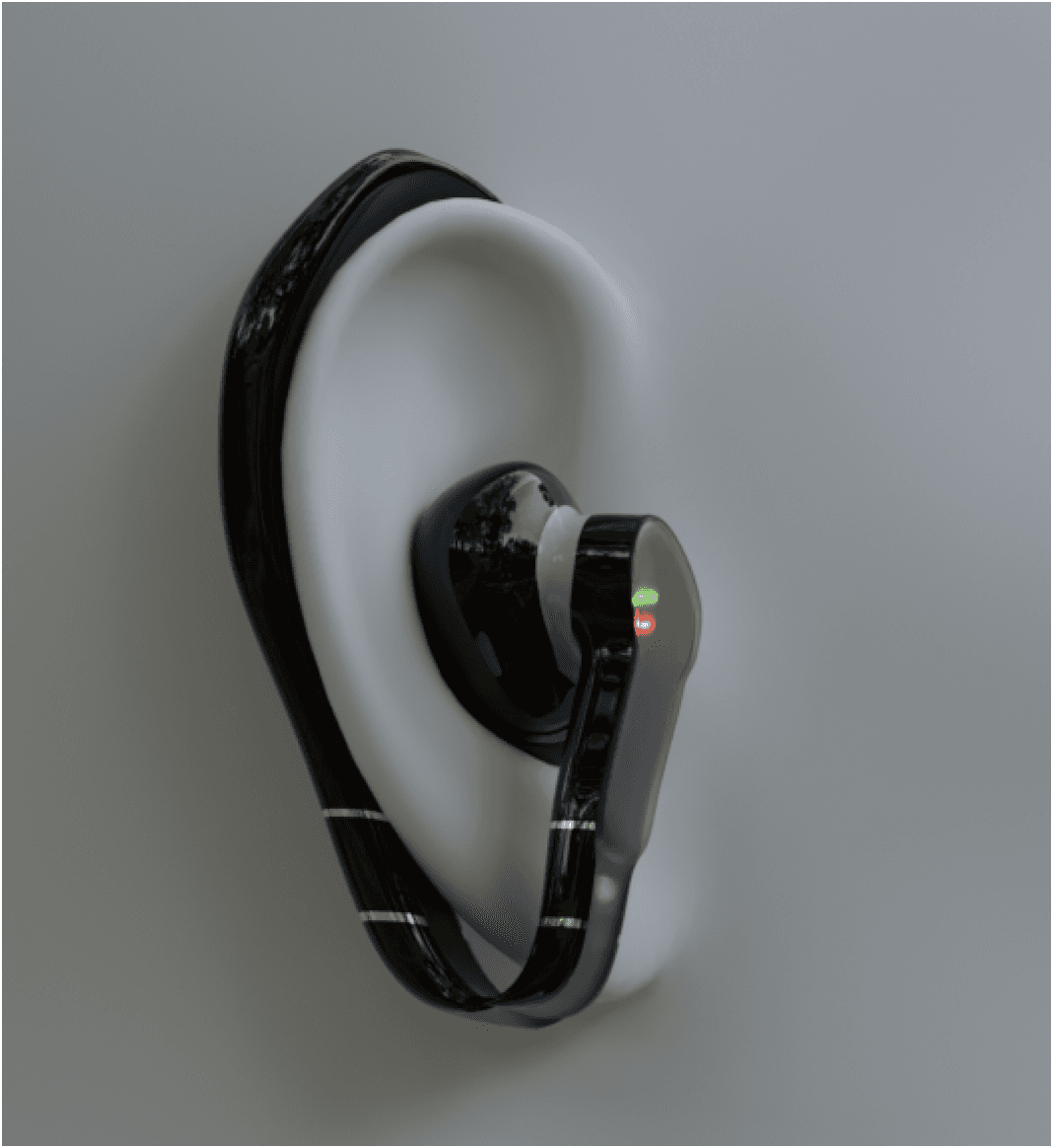
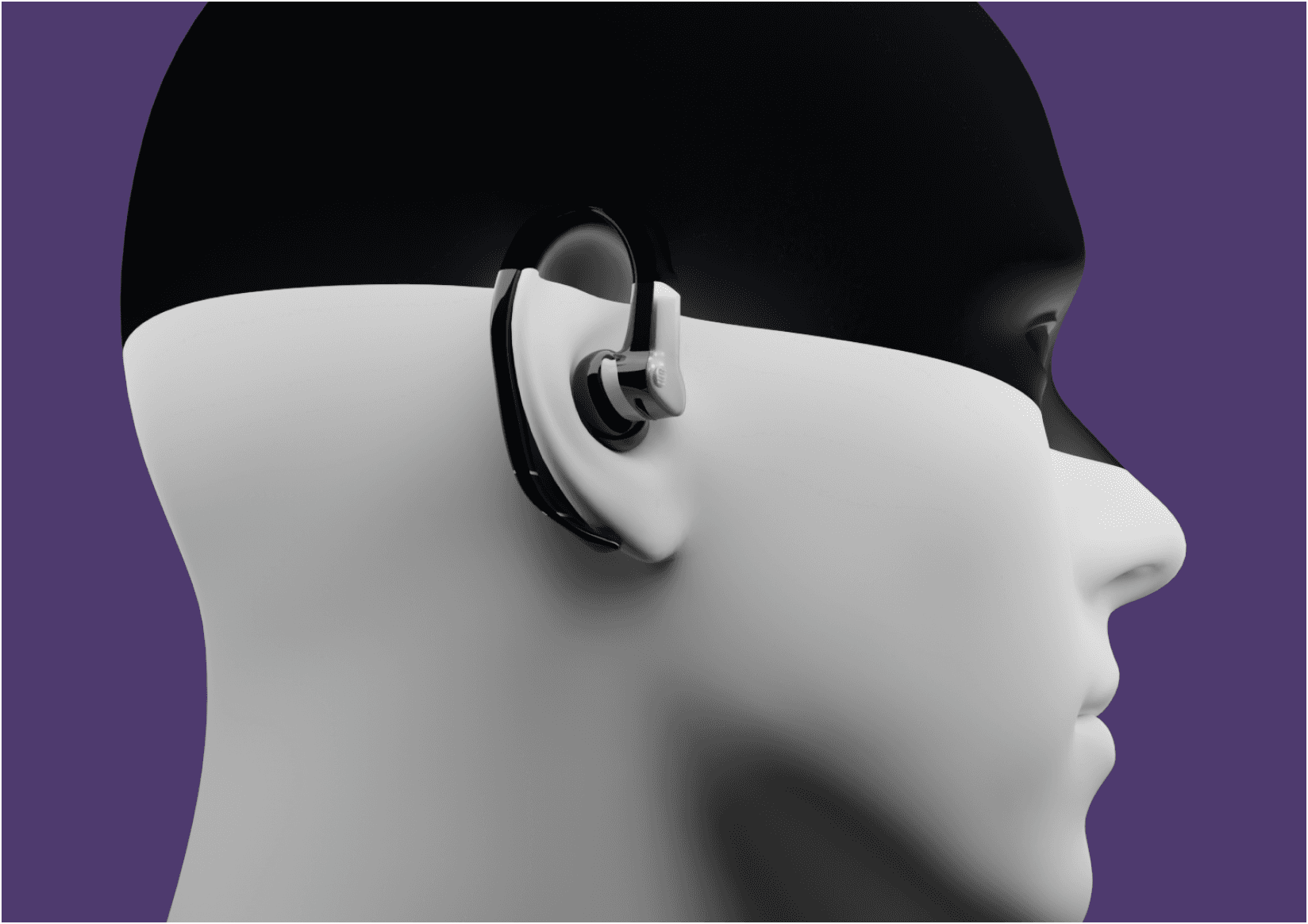
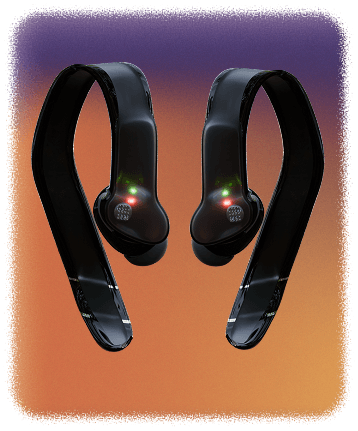
I proposed a few ways that this solution could work in real-life, with considerations on practicality and mobility stances. We also asked a few users what they would like to see in what this product could look like based on its use cases.
Final Solution
Observations, verifiable insights and self-reflection
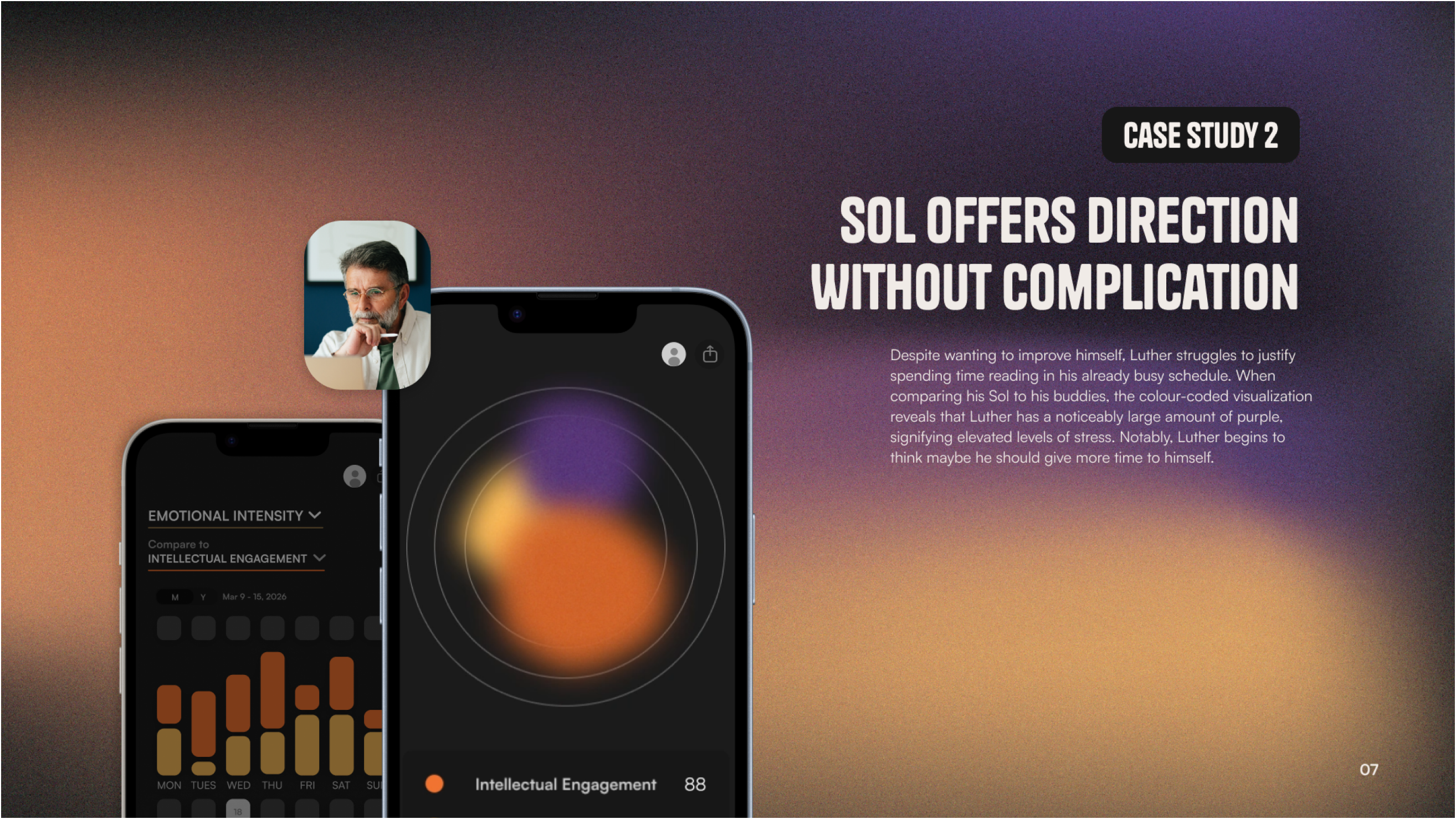
To ground the product in real life use cases, I imagined how different users might interact with Sol day-to-day.
We made sure to include a working digital prototype to bring everything together.
Key Learnings
Learning to communicate your ideas with your partners and giving insights into what works became a habit that kept everyone in the loop and made things easier.
Do the research! The concepts explored in this project were far from my expertise, so we had to consult a huge amount of academic sources to get the insights needed to build this project. This allowed for a research-backed project with rich content.
Be pragmatic! Using real-world use cases and actionable feedback, we were able to use resources such as Figma Make to create testable prototypes, focusing on what works best currently to adapt it in the future.